
This post contains affiliate links. As an Amazon Associate I earn from qualifying purchases.
You’ll love these time-efficient workouts that deliver serious results: 10-minute brisk walks reduce heart disease risk by 9.3%, while stair climbing five flights daily cuts cardiovascular disease risk by 20%. Try 20-30 second sprint intervals that burn 39% more body fat, or body-weight circuits that boost fitness by 33% in just 10-15 minutes. HIIT workouts under 30 minutes enhance fat loss, and morning sessions between 7-9 AM optimize fat burning. Add jumping jacks, active play with kids, or progressive challenges to keep things exciting and discover how each approach transforms your health.
Key Takeaways
- Brisk walking or jogging for 10 minutes daily reduces heart disease risk by 9.3% and mortality by 20%.
- HIIT workouts under 30 minutes alternate intense bursts with recovery, delivering lasting metabolic benefits and fat loss.
- Climbing three to six flights of stairs daily cuts cardiovascular disease risk by 20% and improves fitness.
- Short 20-30 second sprint intervals burn 39% more body fat than standard HIIT with minimal time investment.
- Body-weight circuit exercises for 10-15 minutes increase fitness by 33% and reduce fat mass by 4.3%.
Brisk Walking or Jogging for 10 Minutes

You don’t need an hour at the gym to transform your health—just 10 minutes of brisk walking or jogging can trigger remarkable changes in your body. The brisk benefits include a 9.3% reduction in heart disease risk and a 7.2% decrease in high blood pressure—better than jogging’s 4.5% and 4.2% respectively. Both activities slash type 2 diabetes risk by 12% and reduce mortality by nearly 20% when performed daily. With a variety of home-friendly routines available, you can easily mix in bodyweight exercises to keep workouts fresh.
The jogging advantages extend beyond cardiovascular health. You’ll burn approximately 156 calories per 30-minute session at a brisk pace, with continued “afterburn” post-workout. Your brain releases endorphins and endocannabinoids, combating depression while enhancing memory and concentration. These activities also improve vitamin D levels when performed outdoors, contributing to stronger bones and better immune function. Best of all, you can split sessions throughout your day—no equipment required.
Stair Climbing for Heart Health

Climbing just five flights of stairs daily—about 50 steps—can slash your risk of cardiovascular disease by 20%, including heart attack and stroke. The stair climbing benefits extend beyond that initial reduction: you’ll experience a 39% lower likelihood of death from heart disease and a 24% reduction in all-cause mortality.
Master these stair climbing techniques to maximize your cardiovascular gains:
- Aim for three to six flights daily as your baseline target—achievable yet profoundly effective
- Choose stairs over elevators consistently to build this vigorous aerobic activity into your routine
- Engage major muscle groups deliberately while maintaining an elevated heart rate throughout
- Monitor your progress knowing that stopping stair climbing increases CVD risk by 32%
You’ll improve cardiorespiratory fitness, enhance vascular function, and optimize your cholesterol profile simultaneously. This low-cost and accessible exercise option makes it easy to incorporate physical activity into your daily routine without requiring gym memberships or special equipment. Adding varied workouts like HIIT and dance can keep your routine enjoyable and effective.
Short Sprint Intervals During Your Day

Sprint interval training transforms your cardiovascular fitness with remarkable efficiency—just 20-30 seconds of maximal effort can trigger adaptations that traditional endurance training takes hours to achieve. You’ll experience 42% increases in time to exhaustion after only two weeks, while burning 39% more body fat than traditional HIIT protocols. These time-efficient sessions are ideal for busy schedules and busy professionals who need effective workouts in short windows.
Master proper sprint techniques by focusing on explosive acceleration and maximal intensity during each burst, followed by 2-4 minute recovery periods. The interval benefits extend beyond endurance—you’re developing fast-twitch muscle fibers, improving VO2max, and enhancing neuromuscular coordination. Research demonstrates that 175% of maximal aerobic speed produces significant improvements in running performance across multiple distances.
Six sessions deliver measurable gains in peak power (2.4%) and mean power (2.8%). You’ll need no equipment—outdoor sprints, shuttle runs, or field intervals work perfectly during lunch breaks or between meetings.
Body-Weight Exercise Circuits

Body-weight exercise circuits deliver extensive fitness improvements that rival traditional gym training—without requiring a single piece of equipment. You’ll experience body weight benefits across multiple domains simultaneously: cardiorespiratory fitness increases up to 33%, strength gains of 20-23% in both upper and lower body, and fat mass reductions averaging 4.3%. These circuit variations work because they engage multiple muscle groups while elevating your heart rate to approximately 82% of maximum.
Key advantages you’ll gain:
- Minimal time investment: Effective sessions last just 10-15 minutes
- Exceptional adherence: Studies report 100% compliance rates due to variety and convenience
- Functional strength: Improved balance, coordination, and real-world movement capacity
- Metabolic boost: Elevated post-exercise calorie burn accelerates fat loss
Just 2-3 weekly sessions produce measurable results within weeks. Research demonstrates that cardiorespiratory fitness serves as a crucial predictor of mortality and cardiovascular events, making these efficient workouts a powerful investment in long-term health outcomes.
High-Intensity Interval Training (HIIT)
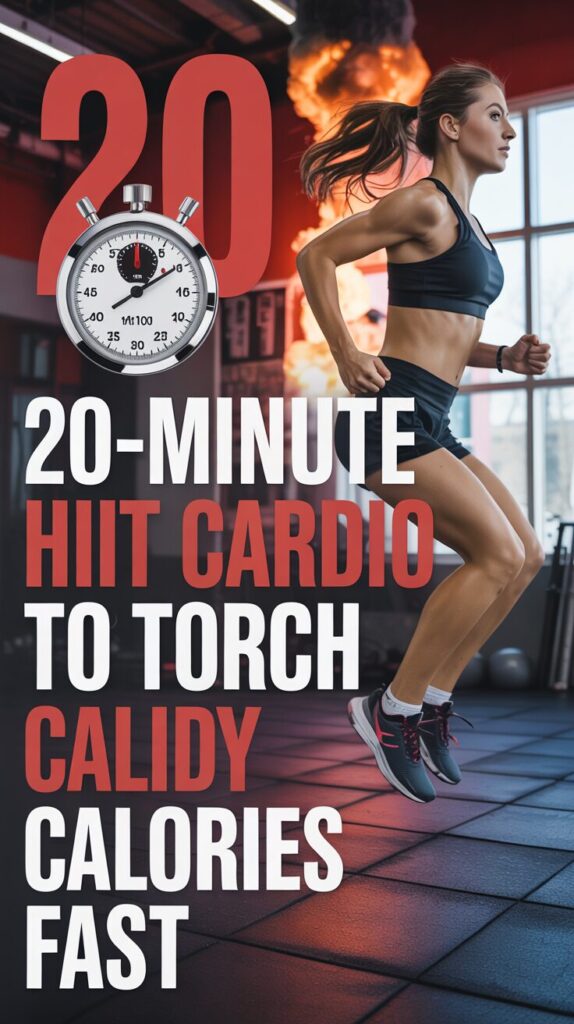
High-Intensity Interval Training (HIIT) alternates short bursts of maximum effort—typically 20 to 75 seconds—with brief recovery periods, delivering remarkable fitness improvements in sessions lasting under 30 minutes. You’ll experience significant HIIT benefits including elevated metabolic effects that persist hours post-workout, enhanced fat loss, and superior cardiovascular impact compared to moderate-intensity training.
Training adaptability allows you to scale intensity across workout variations—from cycling sprints to bodyweight circuits—matching your current fitness level. Recovery importance can’t be overstated; adequate rest between intervals maintains exercise enjoyment and prevents burnout. Research shows adherence strategies incorporating proper recovery yield lower dropout rates and sustained commitment.
You’ll optimize VO₂ max, reduce blood pressure, and improve insulin sensitivity while preserving muscle mass. HIIT conditions your muscle cells to efficiently utilize various energy sources, enhancing your body’s ability to handle diverse physical challenges. This time-efficient approach transforms your fitness with minimal investment, making HIIT exceptionally practical for busy schedules.
Exercise Snacks Throughout Your Workday

While traditional workouts require dedicated gym time, exercise snacks—brief bursts of physical activity woven into your workday—deliver meaningful health benefits without disrupting your schedule. These micro-sessions combat sedentary risks while boosting productivity and focus.
Strategic desk exercises and movement breaks include:
- Strength moves: Execute desk push-ups, chair squats, and chair dips to activate major muscle groups. Add resistance bands for bicep curls and overhead presses.
- Mobility work: Perform wall sits, leg extensions, and balance drills to maintain joint health and stability. Incorporate office yoga poses like seated twists and stretches to improve flexibility and relieve tension.
- Active shifts: Stand during calls, climb stairs between meetings, and walk every hour to increase circulation.
- Social integration: Join walking clubs or schedule group stretch sessions to enhance accountability and consistency.
You’ll experience sharper cognition, elevated mood, and reduced cardiovascular disease risk through consistent implementation.
Jumping Jacks and In-Place Jogging Breaks

Beyond static desk exercises, dynamic cardiovascular movements like jumping jacks and in-place jogging transform your brief breaks into powerful heart-pumping sessions. You’ll experience jumping jacks benefits that extend from rapid heart rate elevation to enhanced coordination and full-body muscle engagement. These exercises burn 8–16 calories per minute while strengthening bones, improving joint flexibility, and activating your legs, arms, core, and shoulders simultaneously.
In place jogging offers similar cardiovascular returns with lower impact intensity. Both movements require zero equipment and minimal space, making them ideal for office environments. You’ll trigger endorphin release, reducing stress and cortisol levels within minutes. The neuromuscular coordination developed through repetitive limb patterns sharpens balance and motor skills. Modify intensity based on your fitness level—even 2–3 minute intervals deliver measurable improvements in circulation, metabolism, and mental clarity throughout your workday. Regular practice gradually builds cardiovascular endurance and enhances your overall stamina over time.
Active Play Sessions With Children

Everyone wins when you transform exercise into playtime with your children. Active play delivers cardiovascular benefits for you while building your kids’ motor skills, concentration, and emotional resilience. You’ll strengthen family bonds and model healthy behaviors through shared movement.
Maximize your active play sessions:
- Schedule 60+ minutes daily of outdoor games like tag, relay races, or obstacle courses that challenge balance and coordination.
- Embrace imaginative play by acting out adventure scenarios—pirates, explorers, or superheroes—that require running, climbing, and problem-solving.
- Rotate leadership roles so children practice decision-making while you benefit from varied movement patterns.
- Minimize screen time by designating specific play blocks, ensuring consistent physical activity regardless of schedule pressures. Unstructured physical activity helps children sleep better at night and wake with improved concentration.
You’ll gain fitness while nurturing their cognitive development and social skills simultaneously.
Morning Workout Routine for Maximum Results

Your body reaches peak performance potential when you exercise during the morning hours, delivering benefits that extend far beyond simple calorie burn. Research demonstrates that 8:00-11:00 AM workouts substantially reduce cardiovascular disease and stroke risk while optimizing heart health through lower blood pressure and improved cholesterol profiles. You’ll experience significant cognitive benefits as morning exercise elevates BDNF production, enhancing brain cell development and sustaining focus throughout your day. The metabolic advantages are equally compelling—exercising between 7-9 AM produces superior fat oxidation and lower BMI compared to afternoon sessions. Morning strength training maximizes testosterone and growth hormone release, directly supporting muscle development. Additionally, morning strength sessions can enhance afternoon performance, improving both speed tests and strength lifts later in the day for athletes pursuing two-a-day training schedules. Most importantly, you’ll establish unbreakable consistency by completing workouts before daily distractions emerge, transforming your fitness routine into an unwavering habit.
Progressive Intensity Challenges

When your muscles stop responding to the same workout routine, progressive intensity challenges become the scientifically-proven solution to break through performance plateaus. Progressive resistance training systematically increases your training demands, triggering continuous adaptation and growth. Research demonstrates that consistent intensity scaling produces measurable strength gains and hypertrophy within 12 weeks.
Implement these evidence-based strategies:
- Increase load by 10% weekly to optimize adaptation while minimizing injury risk
- Manipulate multiple variables including reps, sets, rest periods, and range of motion
- Track every session to guarantee systematic progression and identify stagnation patterns
- Prioritize form over weight as technique breakdown compromises results and increases injury probability
Your body requires progressive challenges to evolve. Without calculated intensity scaling, physiological adaptations plateau within weeks, rendering your efforts ineffective. Beyond performance improvements, progressive overload strengthens your connective tissues and bones, reducing your risk of osteoporosis and supporting long-term skeletal health.
Conclusion
Picture yourself six months from now—stronger, energized, and unstoppable. You’re bounding up stairs without gasping, chasing your kids through the park with ease, and crushing workouts you once thought impossible. These ten quick exercises aren’t just movements; they’re your launchpad to that future. You’ve got the roadmap now. No more excuses, no more waiting. Lace up those sneakers, set your timer, and let’s transform those fleeting minutes into your strongest self yet.